Why Strength Training Is Key After 30
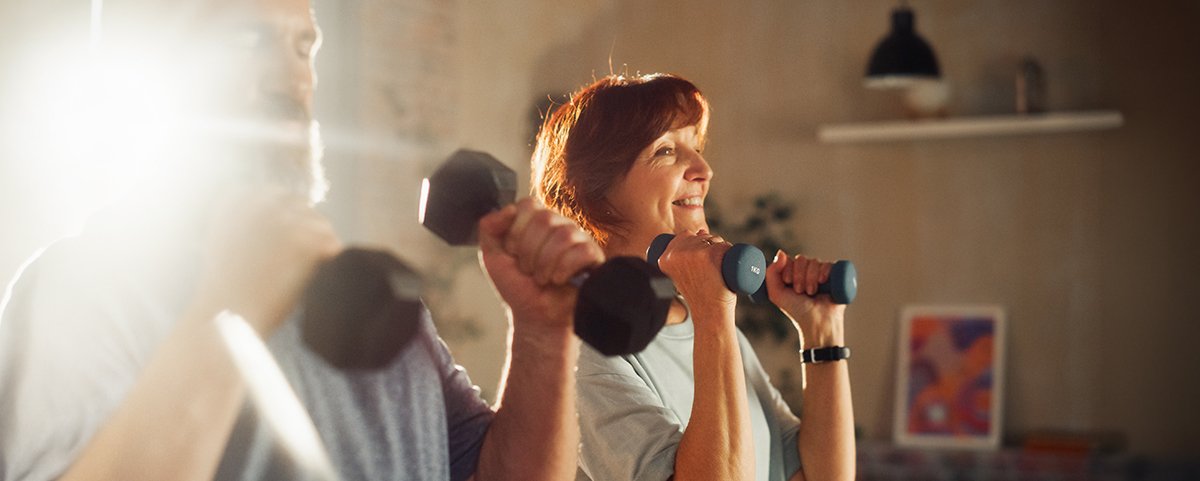
If everyday tasks like climbing stairs, carrying groceries, or hopping up from a chair have started to feel more challenging lately, there could be a biological reason. After age 30, adults can lose roughly 3% to 8% of muscle mass per decade. This decline often accelerates as the body continues to age, which can lead to fatigue, a slower metabolism, and an increased risk of falling.
The good news is that strength training is one of the most effective, research-backed ways to prevent or even reverse these risks. For those in their 30s, 40s and beyond, prioritizing muscle preservation offers three major benefits:
Preserves muscle mass and prevents sarcopenia
Maintains metabolism and heart health
Increases confidence in daily life
Benefit #1 — Prevent muscle loss and sarcopenia
Sarcopenia is the age-related loss of skeletal muscle mass and overall strength. If left unchecked, it can make routine movements feel difficult and increase your risk of falling. However, progressive exercise is an effective way to prevent or slow the development of sarcopenia. By starting with bodyweight moves, resistance bands, or even light dumbbells that you keep at home, your body can maintain strength and build new muscle proteins, a process called muscle protein synthesis. Think of small, low-impact exercises you can incorporate into your daily routine: standing up from a chair without using your hands, doing a set of wall push-ups, or lifting a few ten pound weights before dinner. Over time, those little practices will make a noticeable impact.
Benefit #2: Support metabolism and heart health
Despite the onslaught of clickbait articles that fault strength training as simply a means to look better, it isn’t just about vanity; strength training contributes to a healthy metabolism and heart health. As you build more muscle, the body will preserve its resting metabolic rate and improve blood sugar control, which matters as hormones shift in your 40s and throughout menopause. Strength training also benefits cardiovascular health by lowering blood pressure, improving cholesterol, and supporting vascular function.
Benefit #3: Increasing confidence in daily life.
Beyond the physical benefits, strength training can change how people feel mentally and emotionally. Stronger muscles make everyday tasks easier and less tiring; balance and stability improve; joint pain can lessen as supporting muscles get stronger. Those benefits will translate into having more confidence: you’ll be more likely to play with your kids or grandkids, hike, travel, or simply enjoy a day out without worrying about being sore or unsteady.
A few practical ways to start:
Make it tiny and consistent: short, regular exercise sessions will outpace occasional long workouts.
Use what you have: bodyweight, household items (canned goods, water bottles), and resistance bands are effective.
Pair it with daily life: turn TV commercials or waiting moments into quick sets of squats, crunches, or tricep dips.
Get social: bring a friend, join a small class, or work with a coach for accountability and safer progression.
Check in with your provider if you have medical concerns or chronic conditions.
If you’re ready to stop just getting by and start feeling stronger, steadier, and more energetic, Exceed Hormone Specialists is here to help. Contact us today to schedule a one-on-one consultation and take the first step back toward feeling your best.