The Role of Fiber in Hormone Health
Many of us underestimate just how much influence fiber has on hormone balance. When we think about improving hormone health, we often focus on stress management, quality sleep, regular movement, and reducing processed foods. While all of these habits are important, fiber intake deserves just as much attention. It does more than support regular digestion - it plays a key role in keeping our hormones in balance.
The role fiber plays in hormone health
Fiber supports our bodies with weight management, blood sugar balance, and shapes gut microbiome, the community of microbes that process estrogen, testosterone, and progesterone.
Here are two key ways fiber supports hormone health:
1. Feeds the microbiome and slows sugar absorption
Soluble fiber ferments in the gut to produce short-chain fatty acids, which support a healthy microbiome and improve insulin sensitivity. Better insulin balance can help reduce androgen-related symptoms like acne or excess hair growth.
2. Helps clear excess estrogen
Fiber binds to certain estrogens in the gut and helps remove them from the body. This reduces the likelihood of estrogen being reabsorbed, which may lower the risk of hormone-related symptoms and long-term imbalances.
In contrast, a low-fiber diet can worsen hormone-related traits. It may contribute to issues like PCOS, more intense menopausal hot flashes, irregular cycles, and skin flare-ups.
How much fiber should we aim for daily?
Experts recommend that women consume about 25 grams per day, while men consume about 38 grams per day. Studies have shown that most Americans only consume about half of the daily recommended amount! If you find yourself falling short, try adding fiber gradually over two to four weeks and drink more water so your digestion adjusts smoothly.
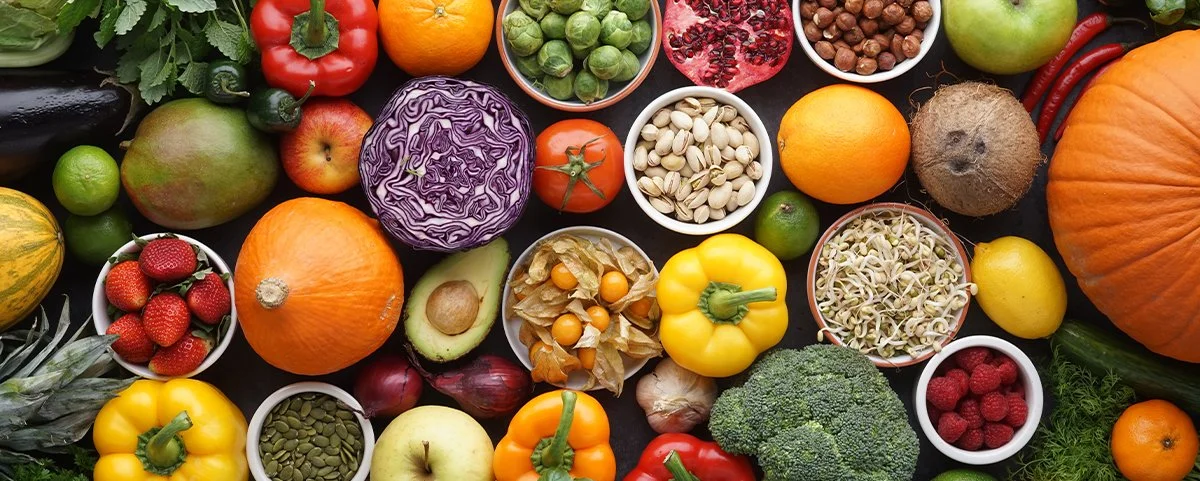
Here’s a list of fiber-packed foods to incorporate into your diet:
Legumes: Lentils, chickpeas, and black beans are rich in fiber and help stabilize blood sugar while supporting beneficial gut bacteria.
Whole grains: Oats, barley, brown rice, and quinoa provide steady energy and support the body’s natural hormone-clearing processes.
Fruits with skin and seeds: Apples, pears, berries, and oranges are packed with fiber and antioxidants. Berries, in particular, support healthy blood sugar and reduce inflammation.
Vegetables: Broccoli, Brussels sprouts, leafy greens, carrots, and sweet potatoes provide fiber, nutrients, and compounds that support detoxification.
Nuts and seeds: Chia seeds, flaxseeds, almonds, and walnuts offer fiber, healthy fats, and beneficial plant compounds.
Simple ways to boost fiber intake
Small changes can make a big difference. Try choosing whole grains instead of refined options, adding beans to salads or bowls a few times a week, or sprinkling seeds and chopped nuts onto your yogurt, oatmeal, or salads. Swapping juice for whole fruit is another easy way to increase fiber while keeping blood sugar more stable.
When to seek support
If your hormone symptoms are persistent, disruptive, or affecting your quality of life, it may be time to seek professional guidance. A clinician who understands both hormone health and nutrition can help create a personalized plan tailored to your needs.
Want to feel steadier, stronger, and more energized? Exceed Hormone Specialists can help you build a plan that supports your hormones and fits your life. Contact us to schedule a one-on-one consultation and take the first step back toward feeling your best.