Finding Balance in the Home: Common Endocrine Disruptors to Look Out For
The endocrine system is your body's communication network made up of glands that release hormones to tell your organs when to grow, burn energy, fight infection, and even when to sleep. This network is extremely sensitive to external intruders. Everyday synthetic chemicals, often hiding in packaging, personal care products, and household items, can quietly interfere with hormones and affect reproduction, metabolism, immunity, and brain function. In this month’s blog, we’ll discuss which common chemicals to watch for, how they act, and practical swaps to protect your hormones without overhauling your life.
What are endocrine disruptors?
Endocrine disruptors are substances that mimic, block, or change the way the body’s hormones naturally work. Even small, repeated exposures can add up over time and take a toll on your hormone health. In some cases, exposure to common endocrine disruptors can alter thyroid function, shift blood sugar regulation, and impact your mood and energy.
Three common endocrine disruptors in the home
1: Phthalates
What they do: Disrupt reproductive hormones and can place stress on metabolic health. Clinical data indicate that exposure is linked to altered thyroid function and adverse metabolic outcomes, which can exaggerate the hormonal shifts experienced during and after andropause and menopause.
Commonly found in: Anti-aging creams, personal care lotions, liquid soaps, hair care products, and plastic food storage wraps.
How to spot them: Phthalates are rarely listed on ingredient panels. Instead, they are typically hidden under generic umbrella terms like “fragrance” or "parfum".
2: Bisphenol A, or BPA
What it does: Mimics estrogen and can disrupt thyroid and insulin function. Linked to weight gain, insulin resistance, and other metabolic issues.
Commonly found in: Hard plastics, including some kitchenware, refillable water bottles, some food can linings, and thermal paper receipts.
How to spot it: Hard, clear plastics stamped with Recycling Code7frequently contain bisphenols unless the manufacturer explicitly specifies the item as "BPA-Free."
3: Parabens
What they do: Parabens are known to mimic estrogen and contribute to several hormone disorders.
Commonly found in: Lotions, shampoos, cosmetics, and some processed foods.
How to spot them: Avoid any ingredients ending in "paraben" such as methylparaben or propylparaben.
Simple hormone-friendly swaps
In today’s environment where options are endless, convenience is key, and prices are ever-increasing, it can feel impossible to make hormone-friendly swaps throughout your home. Just remember, you do not need to go all-or-nothing. Small, consistent changes reduce your chemical load and can improve your health over time.
Wash your hands before eating, especially after handling receipts or new packaging.
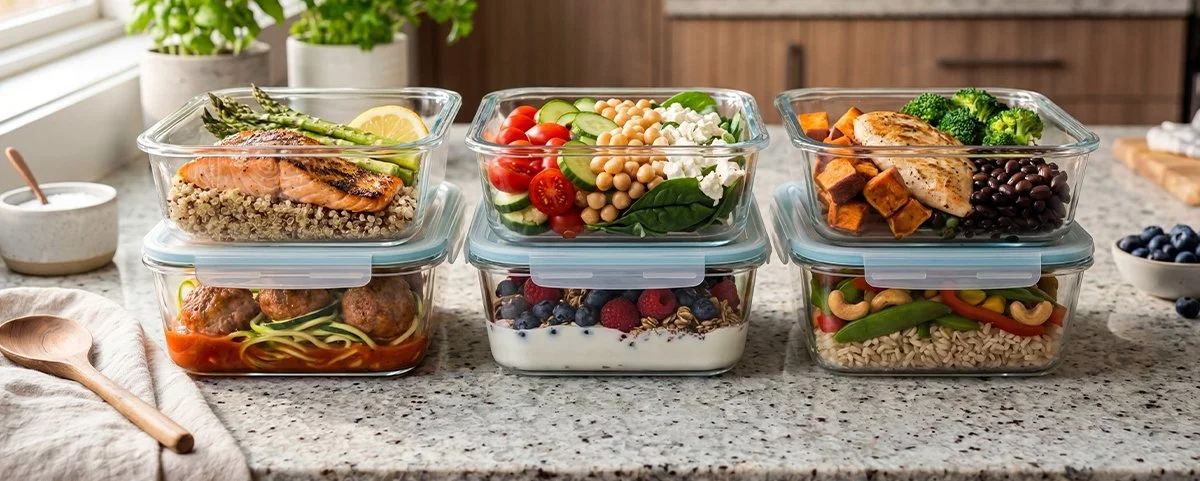
Use glass or stainless steel for food storage and water bottles.
Choose fresh or frozen foods instead of canned when possible. If you buy canned foods, opt for BPA-free containers.
Kitchen and cookware
Avoid heating food in plastic and microwave in ceramic or glass containers.
Replace scratched nonstick pans with stainless steel, cast iron, or ceramic.
Personal care and cosmetics
Choose fragrance-free or transparent-ingredient products when possible. Check ingredient labels for parabens and phthalates.
Reduce the number of daily products. Fewer products mean fewer exposures over time.
Household cleaning and home goods
Use simple ingredients like vinegar and baking soda or choose reputable green-certified cleaners when possible.
If using strong chemicals when housecleaning, wear gloves and a mask to limit exposure. Open windows to ventilate the area.
When to get personalized help
If you have persistent fatigue, unexplained weight changes, or other symptoms that might be hormone-related, talk to a clinician. An individualized plan can include targeted testing, nutrition and lifestyle adjustments, and safe product recommendations based on your needs.
If you would like help building a realistic, hormone-friendly plan that fits your lifestyle, Exceed Hormone Specialists can guide you step by step. Contact us to schedule a one-on-one consultation and start feeling your best.